
What preparations are needed for exporting smart chargers?
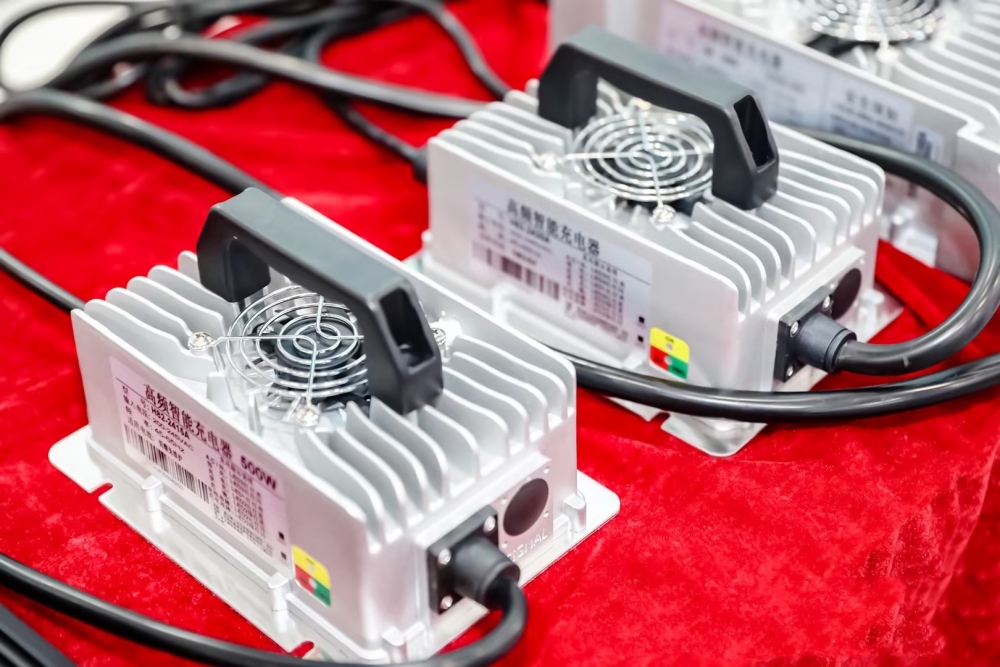
When dealing with the export of smart chargers as electronic products, a series of preparations need to be made. Here are some general considerations and preparations required:
1. Product Specifications and Features:Determine the specifications, functions, and features of your smart charger, including input voltage, output voltage, power, type of charging ports (such as USB-A, USB-C, etc.), compatibility, etc. Ensure your product meets the standards and demands of your target market.
2. Quality and Safety Certification:Ensure your product complies with the quality and safety certification standards of your target market, such as CE certification, FCC certification, etc. These certifications are basic requirements for entering international markets.
3. Market Research:Conduct market research to understand the demand, preferences, and competition for smart chargers in the target market, to devise an appropriate marketing strategy.
4. Finding Suitable Suppliers:Find reliable suppliers or manufacturers who can deliver high-quality products on time and can meet your customization needs.
5. Pricing Strategy:Develop a reasonable pricing strategy based on factors such as cost, market demand, and competitor pricing to ensure your product is competitive and profitable.
6. Packaging Design:Design attractive product packaging, including external and internal packaging, to ensure the product is not damaged during transportation and catches the consumer's eye.
7. Transportation and Logistics Arrangements: Determine the method of transportation and logistics arrangements for your product, including sea freight, air freight, express delivery, etc., along with the related costs and timing.
8. Customs and Tax Affairs: Familiarize yourself with the customs and tax policies of your target market to ensure smooth customs clearance for your products and understand the related tax obligations and refund policies.
9. Marketing Channels:Identify suitable sales channels, including online channels (such as e-commerce platforms) and offline channels (such as retail stores), and develop corresponding marketing strategies.
10. After-sales Service:Provide good after-sales service, including return and exchange policies, maintenance, etc., to build a good brand reputation and customer relationship.
In summary, exporting smart chargers requires comprehensive consideration of product quality, market demand, supply chain management, marketing strategies, and other factors. Adequate preparation in these areas is necessary for successful entry into international markets
Contact Us
Tel: +86-18924633187
Email: rd11@hjf-tech.com


