
How to maintain smart chargers in summer?
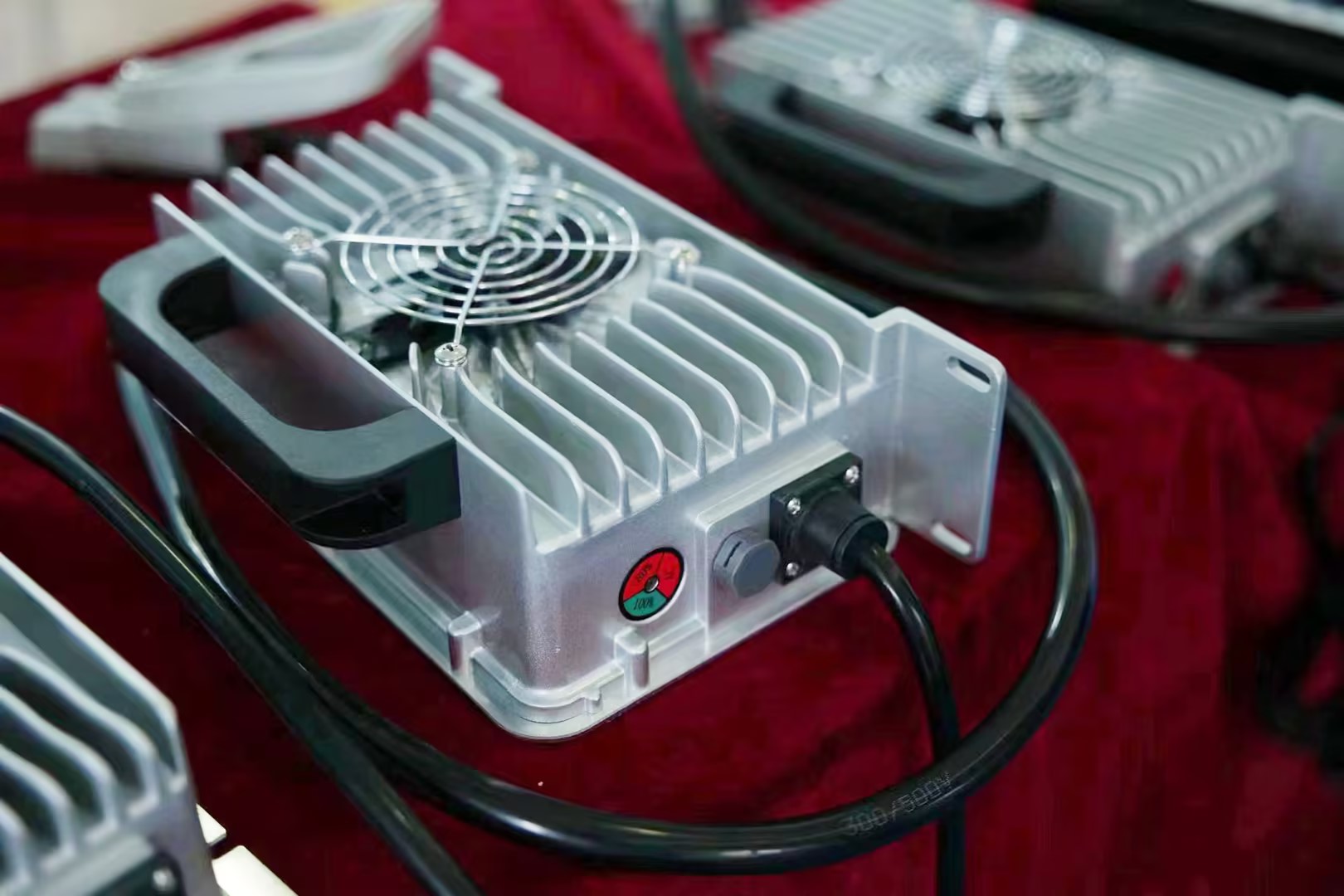
To prevent your smart charger from malfunctioning and bulging during the hot and humid summer months, remember the five key principles of cooling down, reducing the load, protecting it from sunlight, preventing moisture, and frequent inspections. Here's how:
Cooling Down - Find an air-conditioned room for your charger.
For every 10°C increase in ambient temperature, the lifespan of electronic components is halved. Keep the charger in a well-ventilated, cool area away from direct sunlight and heat sources. If charging outdoors, use a parasol or reflector to keep the ambient temperature ≤40°C.
2. Reducing the Load - Avoid Charging While Charging
In high temperatures, avoid operating your robot vacuum cleaner at high loads while charging (e.g., charging while sweeping). This will cause double heating. Let the device sit for 10 minutes to cool down before recharging it. Set the current to no more than 0.15°C to reduce the temperature rise by 5–8°C.
3. Sun Protection - Avoid "open-air barbecues."
When charging outdoors, use a reflective car cover or awning to prevent the outer casing from overheating above 70°C. Also, maintain a ventilation distance of 50 cm or greater between the heat dissipation holes and refrain from covering them with cloth or plastic bags.
4. Moisture Protection - Stay away from "saunas."
Avoid charging outdoors during rainy or heavy rainy days. If outdoor use is unavoidable, choose an IP65/IP67 waterproof model and ensure the connector faces downward to prevent water from entering. Immediately unplug the charger after charging to prevent condensation from seeping in.
5. Frequent Inspection - Perform a monthly "physical check."
① Cleaning: Use a small brush to clean the heat dissipation holes and fan dust cover.
② Temperature Measurement: Use an infrared gun to measure the outer casing; if it exceeds 60°C, immediately pause.
③ Ripple Measurement: Use an oscilloscope to monitor the output ripple; if it exceeds 50 mV, check the filter capacitor.
④ Wiring Inspection: Ensure the connectors are free of corrosion, looseness, and cracks in the silicone pads.
By following the above five steps, the smart charger can remain stable, safe, and have a long life in the high temperatures of summer, saying goodbye to the trouble of "overheating strike".
Contact Us
Tel: +86-18924633187
Email: rd11@hjf-tech.com


